Thursday, July 11, 2013

Himmel torte


We just returned from a week in Maine with Josh's family. A gorgeous lake house near the town of Casco served as our home base, and we spent the week swimming, kayaking, reading, and playing games. The men-folk cooked almost every meal on the grill, while the women-folk engaged in some serious salad-making and baking. I even hauled out The "Settlement" Cook Book to make a belated birthday cake. (Yes, I packed it. No, you shouldn't be surprised.)


That week is still on my mind, for the sense of utter relaxation it gave me and for the cooler weather we left behind. And also for the cake I baked. You see, it was kind of a disaster, and I'm still trying to figure out what went wrong.


This was one of those recipes that was devilishly hard to interpret, thanks to its sheer lack of specificity. With the frosting, for example, the only instructions were: "One pint thick sour cream, vanilla, two tablespoons cornstarch and sugar mixed. Boil." How much vanilla? Do you combine one tablespoon each of cornstarch and sugar, or two each? There were no reassuring comments from the cookbook writer, either, telling me not to worry when my cake batter was barely spreadable. As a modern cook, it's frustrating to encounter old recipes that assume you know everything.


So I made some of it up, crowd-sourced interpretations for some of the stranger instructions, and hoped for the best. The resulting cake (ambitiously titled "Himmel torte," or "heaven torte") was flaky and crumbly, but the jam helped hold some of it together. Once frosted, you could hardly tell this cake was a disaster. And once served, it was pretty darn tasty.


I might redo this cake at some point in the future, but for now I'll leave you with the recipe I cobbled together. Try it if you want--it actually turned out okay.


Himmel Torte
(adapted from The "Settlement" Cook Book)

for the cake:
1 1/2 cups unsalted butter (3 sticks), softened
4 tbsp sugar
2 eggs + 2 egg yolks
4 cups flour
grated rind of 1 orange

for the frosting:
about 2 tbsp cinnamon sugar
about 3/4 cup raspberry jam
1 pint sour cream
1 tsp vanilla
1 tbsp flour or cornstarch
2 tbsp sugar
2 egg whites

to make the cake:
Preheat the oven to 350 F. Grease two round 8 x 8 cake pans and set aside.

Cream the butter and sugar together in a large bowl until light and fluffy. Add the eggs and yolks, one at a time, stirring well after each addition. Add the orange rind and flour, mixing gently until just blended. (Use your hands if you have to, and I won't tell.) Spread in the prepared pans and bake at 350 F until a toothpick inserted in the center comes out clean, about 20-30 minutes. Cool on a wire rack.

to make the frosting:
In a medium pan over a medium flame, heat the sour cream, vanilla, flour, and sugar until bubbling. Mix in the egg whites until well-blended and remove from heat. Let cool and move to the refrigerator to set, about 1 hour.

Once the cakes have cooled, turn one layer out onto a large plate. Sprinkle the top with the cinnamon sugar and spread evenly with the raspberry jam. Turn the second layer out on top of the jam. Spread the cooled sour cream frosting on top and sides and serve.

Sunday, July 7, 2013

Fencing in the kitchen garden


Josh and I have something of a squirrel problem in our backyard kitchen garden. Accustomed to running free and wild thanks to the apartment's no-pet policy, these squirrels are daring. They take risks. They chew on plants and dig up bulbs with abandon. But the last straw came when they started munching on my still-ripening strawberries. We decided it was time to take action.

On the advice of my dad, a long-suffering veteran of the wars against backyard rodents, we built a basic fence to enclose the container garden. Josh prefers to call it a "squirrel vault," which to my mind implies a cage for keeping squirrels in. But whatever, it sounds majestic and menacing. And he did most of the hard labor.

Our Fence

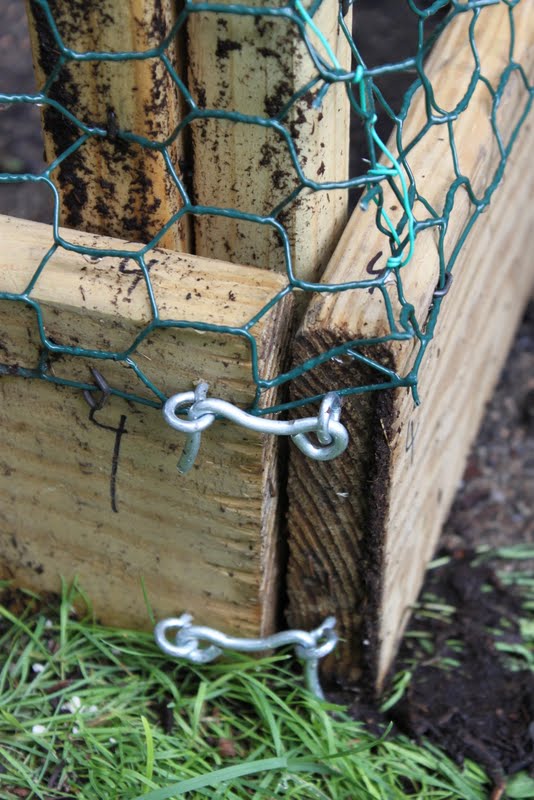
After measuring the length and width of our container collection, we had four two-by-fours cut at the hardware store. Hoping to keep the fence/vault portable, we chose to use hook-and-eye latches to hold the four sides together. Then we stapled vinyl-coated poultry wire to the boards to keep the vicious varmints out.

So far, the squirrel vault has held strong, though we may have to add a roof (which my dad recommends). The gauge of the wire is small enough that the squirrels can't poke their heads in, and we tied the sides together to prevent them from crawling in. Unfortunately, the backyard drains poorly, so the fencing has collected water during our many epic rains. Pros and cons to the squirrel vault, but we'll take it.

Fencing in the Past

Thomas Jefferson used ten-foot tall fencing, called "paling," at his late-18th century Monticello estate to keep out deer and other domestic pests from his vegetable garden. This consisted of boards placed tightly together, "so near as not to let even a young hare in." While other gardeners, especially hard-working housewives, probably didn't have the luxury of ten-foot tall boards, many families constructed at least a short fence to demarcate their gardens and hopefully deter some critters.

I kind of want that ten-foot tall fencing for my own garden. I bet Thomas Jefferson never had trouble with squirrels...

Tuesday, July 2, 2013

Line-drying laundry


For a few weeks the dryer in our apartment building has been broken. Problem? Easily solved. After putting in a call to the landlord, we hung our clothes fresh from the washing machine out to dry on the balcony.

It's easy to string a line of twine from the hooks already hanging from the balcony ceiling. Yes, they're more for hanging plants. But they do the job just as well.


I piled clothespins in a basket and, working quickly, clipped shirts and PJ's to the line. Because the balcony faces the street, I decided to dry delicates inside on a wooden clothes rack stolen from my parents' house.

We line-dry clothes every summer when we're on vacation, but I always forget how stiff and wrinkly clothes get on the line. And when the weather's humid, the clothes stay damp for much longer than you'd expect. Nevertheless, once they're actually dry, they have this fresh-laundry smell that you just don't get from a hot dryer. And this handy old-fashioned method saves a ton of energy.

Have you ever line-dried clothes? What do you do to get the wrinkles out? And do you stick with it even through the winter months?

Friday, June 28, 2013

Housekeeping

First order of business:

Yes, friends, Google Reader is finally going away. To make sure you don't miss a post here, you can try one of the following alternatives:

You can follow along at Bloglovin.

Or you can try out feedly.

There's also The Old Reader, for old-school types.

And you can also subscribe via email, using the handy box to the right.

Second order of business:

I am finally on Pinterest! You can take a look at my dreams for someday-gardens or kitchen projects. I am already slightly obsessed with pinning...

Happy Friday!

Thursday, June 27, 2013

Devil's cake no. 1


Yesterday I celebrated my birthday! I turned 27, just a few weeks after this blog turned 2. In between melting in the 90-degree heat and dashing through torrential rainstorms (yes, it was an eventful day, weather-wise), I enjoyed a pastry from my favorite bakery, assembled a Settlement birthday cake, and tried out a new restaurant with Josh. I can now say definitively that lots of food-related activities make for one delicious birthday.

Now, let's get serious about this birthday cake. My father loves buying cake. And I mean, he loves it. He buys decorated cakes (vanilla or yellow, with buttercream frosting) from Giant Eagle for every occasion he can think of: birthdays, Mother's Day, the Fourth of July...you name it, he celebrates it. Once my dad even bought a cake to celebrate my birthday when I wasn't even going to be home on the occasion. You get the picture: my family can be depended upon to have a bit of store-bought cake hanging out in the freezer at any given time.

However, I haven't enjoyed Giant Eagle cake since middle school. I'm not sure why, but for some reason the frosting and consistency of the cake just doesn't do it for me. I've tried a few different solutions, like cherry pie (to which my dad cried, "but it's not a real birthday without cake!"), and a marble cake in the hopes that chocolate would be tastier (our dog pulled it off the counter and ate it). Somewhere down the line I gave up and decided that making my own cake would be the easiest solution. But I haven't found the perfect recipe yet.


This year, I tried a recipe from The "Settlement" Cook Book, partly to kill two birds with one baking pan. It wasn't a total success; devil's food cake from 1903 is decidedly less chocolatey than our modern-day palates would like, and the method of making the frosting felt very old-fashioned. But it's still tasty, and a perfectly fine way to celebrate another birthday.


Devil's Cake No. 1
(from The "Settlement" Cook Book)

for the cake:
2 oz unsweetened chocolate
3 tbsp water
1 1/4 cups sugar
1/2 cup butter
1 cup buttermilk
1 tsp baking soda
1 egg yolk (reserve the white for the frosting)
2 cups flour

for the frosting:
1 cup sugar
1/3 cup water
2 oz unsweetened chocolate
1 egg white, beaten
1/8 tsp cream of tartar
1 tsp vanilla

To make the cake:
Preheat the oven to 350 F. Grease two 8-inch round pans and set aside.

In a small pan over low heat, melt the chocolate, water, and sugar together, stirring until dissolved. Add the butter and stir until blended. Remove from heat and let cool.

In a separate, large bowl, combine the buttermilk, baking soda, and egg yolk, beating well to blend. Add the cooled chocolate and beat well. In a few strokes, add the flour until just combined. Pour the mixture into the prepared pans and bake at 350 F for 30 minutes, or until a toothpick inserted into the center of the cake comes out clean.

To make the frosting:
Heat the water in a small pan over medium heat until just boiling, then add the sugar and stir. Once the sugar is completely dissolved, heat the mixture slowly without stirring to the boiling point. Let syrup cook until it forms a thread when drizzled from a spoon, about 20 minutes. Remove from heat and stir in the chocolate until well-blended.

When the syrup is ready, quickly add the cream of tartar to the egg white and beat to combine with a fork or whisk. Add the egg mixture to the chocolate syrup and beat well. Add vanilla and beat again. Let the mixture cool, placing in the fridge if necessary.

When ready to frost, stir the frosting once more. Turn one cake out onto a plate and frost evenly, then place the other cake on top. Spread remaining frosting with a knife or spoon.

Tuesday, June 25, 2013

Brewing and distilling the old-fashioned way


Turns out cooking from historical recipes isn't the only way to play with food and history. There's a new trend brewing in the alcoholic beverage world (sorry, couldn't resist).

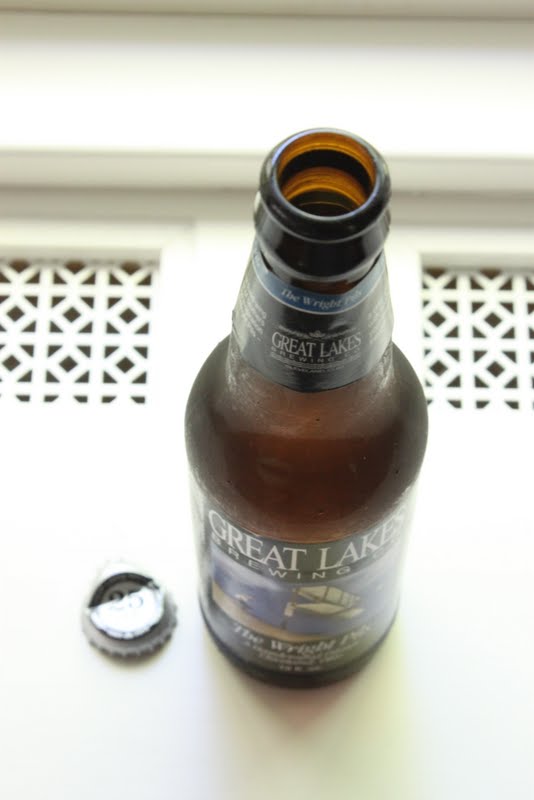
Cleveland's Great Lakes Brewing Company, maker of some of the best craft beers around (not like I'm biased), is now working with archaeologists from the University of Chicago to replicate 5,000-year-old Sumerian beer. Hoping to discover what the first beer in the world tasted like, the Great Lakes brewery is using Sumerian hymns and other cuneiform texts supplied by the archaeological team to brew their concoction. The archaeologists also help the brewery use the appropriate equipment, like clay pots and wooden spoons. Unfortunately, Great Lakes doesn't plan on selling the results to the public...but it doesn't sound like Sumerian beer would appeal to modern tastes. Sour, warm, with a distinct vinegar flavor? Not what I like in my beer.

However, Coastal Extreme Brewing (or the Newport Storm brewery, as they're popularly known) in Newport, RI, is taking a decidedly more palatable approach to old alcoholic beverages. In 2006, the brewery began distilling Thomas Tew Rum, named after a notorious pirate from the 18th century. The company uses traditional methods, equipment, and ingredients to distill rum the way it was originally made in Newport, back in the 18th century. Turns out Newport was the center of the sugar and slave trade when the colonies were young, so naturally a number of rum distilleries sprang up around the city to make good use of the molasses coming into port. Today, Coastal Extreme prepares its rum in traditional copper stills, then lets the rum age for years in barrels, just like the original Newport distilleries of old.

Unsurprisingly, I'm fascinated by the idea of referring to old recipes (some ancient!) for brewing as well as cooking. Just as I can learn a lot from historical recipes, these two breweries have their own motivations. They want to...

  • Find out first-hand what ancestral brews were like
  • Try out slower brewing methods that produce small-batch beverages
  • Recall our nation's history (however unsavory it may have been)
  • Play around with ancient ingredients, like cardamom, honey, and dates

What do you think? Would you ever try Sumerian beer or colonial rum?

Tuesday, June 18, 2013

The best-laid plans of gardeners

It's been some time since we've visited the container garden. Let's take a stroll, shall we?

Here's the basic layout: broad beans (the happy tall stalks in the corner); sugar snap peas climbing those bamboo trellises; one strawberry plant; onions flanking tomatoes and peppers; garlic and carrot shoots; lettuce; hyssop; an attempt at a Three Sisters planting (corn, green beans, and pumpkin); and rhubarb, generously given by my friend Gaia. There's lavender and lobelia, too, to pretty up the backyard.

A bit different from my original plans, right? While some of the seeds I started came up vigorous and healthy, some of the others grew anemic and spindly. And after I hardened them off and planted them in containers, we endured epic torrential rains. First in the spring, then just a few weeks ago. Day after day of rain, rain, endless rain, can do a number on your tender plants. And downpours from southern tropical storms can tear the leaves of your rhubarb plant to shreds.


Yes, shreds.


We've also discovered that our squirrels are vicious, vicious creatures. Since we moved in last summer, we didn't have a chance to find this out during the regular growing season. But oh, are we learning. They shimmy up drainpipes, they cling to our second-floor window screens, and they nibble at my almost-ripe strawberries to show who's really in charge. (Hint: it's not me.)


Nevertheless, we persevere. Next week I'll give you a glimpse of the "squirrel vault" Josh and I built to keep out those dastardly rodents. After the torrential rains, I replaced some of my drowned seedlings with more vigorous starts from the farmers' market and the store, and they're happily taking root. And while it's momentarily disappointing to see plants brought low by weather or critters, I'm excited to see what this adjusted garden will produce over the summer. (I'm also accepting any and all advice for dealing with squirrels, which are quickly becoming my fiercest enemies.)