Showing posts with label vegetables. Show all posts

Sunday, July 7, 2013

Fencing in the kitchen garden


Josh and I have something of a squirrel problem in our backyard kitchen garden. Accustomed to running free and wild thanks to the apartment's no-pet policy, these squirrels are daring. They take risks. They chew on plants and dig up bulbs with abandon. But the last straw came when they started munching on my still-ripening strawberries. We decided it was time to take action.

On the advice of my dad, a long-suffering veteran of the wars against backyard rodents, we built a basic fence to enclose the container garden. Josh prefers to call it a "squirrel vault," which to my mind implies a cage for keeping squirrels in. But whatever, it sounds majestic and menacing. And he did most of the hard labor.

Our Fence

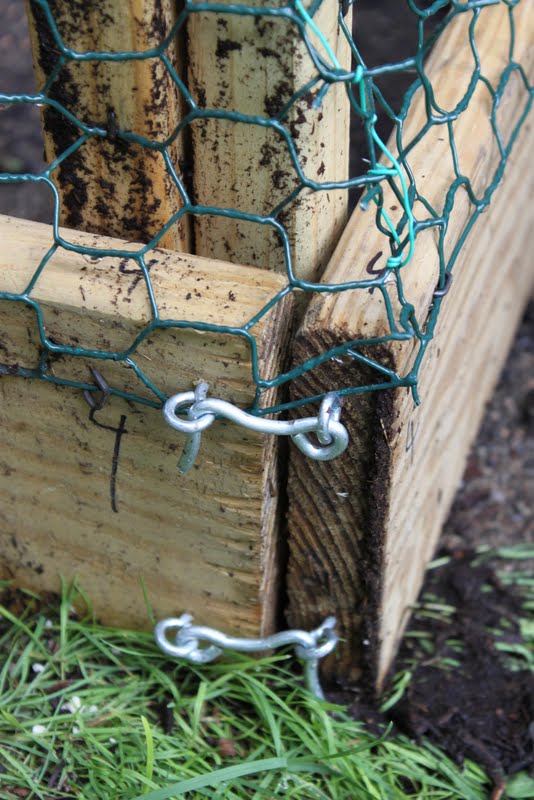
After measuring the length and width of our container collection, we had four two-by-fours cut at the hardware store. Hoping to keep the fence/vault portable, we chose to use hook-and-eye latches to hold the four sides together. Then we stapled vinyl-coated poultry wire to the boards to keep the vicious varmints out.

So far, the squirrel vault has held strong, though we may have to add a roof (which my dad recommends). The gauge of the wire is small enough that the squirrels can't poke their heads in, and we tied the sides together to prevent them from crawling in. Unfortunately, the backyard drains poorly, so the fencing has collected water during our many epic rains. Pros and cons to the squirrel vault, but we'll take it.

Fencing in the Past

Thomas Jefferson used ten-foot tall fencing, called "paling," at his late-18th century Monticello estate to keep out deer and other domestic pests from his vegetable garden. This consisted of boards placed tightly together, "so near as not to let even a young hare in." While other gardeners, especially hard-working housewives, probably didn't have the luxury of ten-foot tall boards, many families constructed at least a short fence to demarcate their gardens and hopefully deter some critters.

I kind of want that ten-foot tall fencing for my own garden. I bet Thomas Jefferson never had trouble with squirrels...

Tuesday, June 18, 2013

The best-laid plans of gardeners

It's been some time since we've visited the container garden. Let's take a stroll, shall we?

Here's the basic layout: broad beans (the happy tall stalks in the corner); sugar snap peas climbing those bamboo trellises; one strawberry plant; onions flanking tomatoes and peppers; garlic and carrot shoots; lettuce; hyssop; an attempt at a Three Sisters planting (corn, green beans, and pumpkin); and rhubarb, generously given by my friend Gaia. There's lavender and lobelia, too, to pretty up the backyard.

A bit different from my original plans, right? While some of the seeds I started came up vigorous and healthy, some of the others grew anemic and spindly. And after I hardened them off and planted them in containers, we endured epic torrential rains. First in the spring, then just a few weeks ago. Day after day of rain, rain, endless rain, can do a number on your tender plants. And downpours from southern tropical storms can tear the leaves of your rhubarb plant to shreds.


Yes, shreds.


We've also discovered that our squirrels are vicious, vicious creatures. Since we moved in last summer, we didn't have a chance to find this out during the regular growing season. But oh, are we learning. They shimmy up drainpipes, they cling to our second-floor window screens, and they nibble at my almost-ripe strawberries to show who's really in charge. (Hint: it's not me.)


Nevertheless, we persevere. Next week I'll give you a glimpse of the "squirrel vault" Josh and I built to keep out those dastardly rodents. After the torrential rains, I replaced some of my drowned seedlings with more vigorous starts from the farmers' market and the store, and they're happily taking root. And while it's momentarily disappointing to see plants brought low by weather or critters, I'm excited to see what this adjusted garden will produce over the summer. (I'm also accepting any and all advice for dealing with squirrels, which are quickly becoming my fiercest enemies.)

Monday, April 15, 2013

Spring greening


Ah, spring! When a young lady's fancy turns to...plants?

Yes, it is all plants, all the time around these parts. When Josh and I go for a walk, I coo over the tiny purple stars blooming in the myrtle. I envy the flocks of daffodils cheering up the still-drab grass. I tend lovingly to the starts toughening up under my grow light.

Now that the weather is warming up, I'm slowly getting the plants ready to go outside. This is a process called hardening off, and you have to take the plants outside in the sun over a period of days, letting them stay out longer each time to get used to wind, sun, and fresh air. I've also started moving some of the biggest starts into actual containers for the official growing season. (You can see the results of using Cow Pots below--the roots just grow right through the pots!)

So far, I've had mixed results. The plants are hardening off just fine, but last week I left some of the snap peas and peppers outside during a rather serious few days of rain, which meant the plants went swimming. The poor guys got so waterlogged that I had to pour off rainwater on more than one occasion. But they seem to be perking right up now that the sun has returned, and I'm looking forward to moving more starts into containers.

And perhaps the most exciting news around here is that I got permission from our landlords to spruce up the yard! I've been busily drawing up plans and completing soil tests to prepare the yard for planting. Because we live in an old house (danger of lead) and the yard isn't huge, I'll be sticking with the container plan for my edibles and planting only ornamentals in the actual yard. But it's still tremendously exciting. Plus, it gives me more of a reason to admire other people's plants...right?

Friday, March 29, 2013

Spring cleaning


It's getting to that point where things just feel blah. It's officially spring but not quite warm, the kids are either bonkers or asleep at school, and the crust for my first-ever tart puffs up like a balloon.

Even food is less than inspiring. Josh made a big pot of white bean, kale, and sausage soup at the beginning of the week, and although last time we declared it a delicious keeper, this time something went wrong. The dried beans didn't fully reconstitute, so we had to crunch our way through soup all week. By Wednesday, when I'd eaten soup for two dinners and a lunch, I could barely stand to look at the leftovers.

(I have a tried-and-true abhorrence of leftovers served for more than two nights in a row.)

All of this makes me think that


I've written about spring cleaning the apartment before, but today I'm thinking more about getting my taste buds ready for spring. Time to retire heavy stews and rich food for a while--I'm going to embrace fresh vegetables and fruit, with plenty of salads and light meats and fish. Of course, I'll still save space for indulgences like apple charlotte (coming soon) and homemade ice cream, but there's something exciting about freshening up the kitchen pantry for spring. And I can only hope that making fresh changes in one corner of my life will help lend inspiration to other corners, too. (Middle school children, I'm looking at you.)

Friday, March 8, 2013

Starting seeds


Earlier this week, it was finally starting to feel like spring. The air lost some of its chill, birds chirped in the tree outside our dining room window, and the first crocuses poked up from neighborhood yards. Of course, this morning it's snowing, so we need a good dose of cheer to pick up our spirits. Let's talk about this season's garden.

I ordered seeds from Fedco and Vesey's, two small-batch, cold-weather plant vendors recommended by Henry Homeyer. Both are great because their plants are bred to withstand northerly climates, and Fedco sends a limited number of seeds. This way I don't feel guilty for wasting seeds. In the end, I may have gone (slightly) overboard for my modest container garden, but they all looked so good! Two small packages arrived with the seeds a week later, and I looked through them longingly as I waited for the right planting day.

The last frost for Rhode Island lands somewhere between March 30 and April 30 (specific, I know). I decided to start the earliest seeds (4-6 weeks before the last frost) over the weekend, and I spent a lovely few hours setting up my grow light and arranging pots and growing material.


This year I'm trying out Cow Pots, these super-environmental seed starter pots made of composted cow manure. Once the seeds are ready to transplant, you simply put them in the planting medium, pot and all, and the pots gradually degrade while giving your plants a jolt of natural fertilizer. They sounded awesome, and they (barely) smell at all. Josh was wary, but so far he hasn't complained.

Here's what I planted:
  • sweet peppers
  • hot peppers
  • spinach
  • lavender
  • cosmos
  • sugar snap peas
  • tomatoes
  • lobelia

My sown seeds are now sitting patiently under the grow light, and I may or may not be excitedly checking them at least twice a day for progress. No signs of life yet, but it's early days. If you're planting a garden this year, have you started seeds yet? What are you growing?

Wednesday, December 5, 2012

How I blog (plus potato pancakes)


I'd like to pretend all my blog posts and series spill out onto the computer fully-formed. But like most of my writing, creating blog content is a slow, careful process. There's a lot of planning, rewriting, deleting, and then some more rewriting. Sometimes it's painful. Sometimes I'd rather take pretty pictures or read other people's effortless-looking blogs or go for a walk.

So, inspired by Joy the Baker's admirable honesty, today I'm going to give you a glimpse behind the curtain. This is how I made potato pancakes yesterday...and all the thinking and research that went into it.


Two Days Prior (Inspiration Time)

I start thinking about what I could make for the blog. I glance longingly at my pile of cooking magazines and the exciting East-West blend of Simply Ming that I got from the library. If only I could count Thai green curry sauce as historical. I suppose I could...if I knew more about Thai history and cooking.

Note to self: new blog series!

Then I talk myself down from starting yet another massive research project. I flip idly through The "Settlement" Cook Book and mark some cookie recipes. But Josh and I made Christmas cookies over the weekend, and we definitely can't eat them all plus more cookies. (Here Josh would say: "But, delicious!") So I read Bon Appetit instead.

inspiration!

One Day Prior (Research Time)

Adam Rapaport's article on the perfect latke makes my mouth water. I love potatoes. When a friend hosted a supper club several months ago, she and her sister waxed poetic about how potatoes would definitely be included in their last meals. I firmly agree. There is nothing like the potato.

Perhaps there's a similar recipe I could make for the blog. I flip through The "Settlement" Cook Book again, and lo and behold, there's a recipe for potato pancakes! And I could probably think of a good angle for the post...

But today we have leftovers, and I am fighting a cold that makes me feel like death warmed over. So I'll wait. I eat my pasta and imagine it tastes like potatoes.

(Can you tell I have an issue with leftovers? And that I was raised in a good Midwestern family with lots and lots of a certain root vegetable?)


Day Of (Cooking/Photo Time)

potato pancakes, posing with applesauce


My cold has significantly improved, and I leave school bounding with energy. When I get home I set up my equipment: ingredients, box grater, kitchen towel, fry pan, and of course, CD player. I'm going through a phase where I listen to dramatized Agatha Christie mysteries while I cook...it lends the whole enterprise an air of drama.

The Settlement recipe doesn't provide much in the way of guidance, so I open up Bon Appetit and skim the latke article. Rapaport recommends squeezing the grated potatoes to rid them of excess water--this sounds like a good idea. Then I make assumptions about the other instructions, based on what I know about frying up regular pancakes. I cut the ingredients from the Settlement recipe in half (it's only Josh and me, not our turn-of-the-century family of six) and get to work. The light's dying, so I do it quickly, hoping to get some decent natural-light photos in before the day ends.

But that's not to be, so I set up my kitchen table with seasonal linens and turn on the lamp for additional lighting. I spend the next ten minutes or so taking glamour shots of fried potato cakes.


One Day After (History Time)
New York settlement cooking class


Before school starts, I glance at the Wisconsin Historical Society's website for a reminder about the Milwaukee Settlement. I did the majority of my research for this project when I first started using the book, so most of this is familiar. But I want to confirm my suspicions that this recipe is for German Jewish potato pancakes, rather than for those of another culture. And indeed, I find that Lizzie Kander, the writer of The "Settlement" Cook Book, taught Jewish women how to cook at the Settlement, so I'm fairly certain that these potato pancakes could have been used in a turn-of-the-century Hannukah celebration.

So I gather my historical photos from more or less reputable sources, upload my own photos, and type up my thoughts. Plus the recipe, which is adapted heavily from the original (i.e. with actual measurements).

As you can see, it's a messy, time-consuming process. I'm sure many of you have developed much simpler ways of creating blog content, or perhaps you have your own elaborate methods. I'd love to hear!


Potato Pancakes
(adapted from The "Settlement" Cook Book and Bon Appetit's December 2012 issue)

4 russet potatoes, peeled
1/2 tsp salt
1/4 tsp baking powder
2 tsp flour
1 tbsp milk
2 eggs, beaten
vegetable oil, for cooking

Using the larger holes on a box grater, grate the potatoes. Dump the potato mixture onto a clean kitchen towel, wrap up the mixture, and carefully wring out the liquid over the sink. You may want to do this twice. Mix the dried potato gratings with the salt, baking powder, flour, and milk, and add the eggs at the end.

Heat a large skillet over medium-high heat, and pour in enough oil to cover the bottom of the pan. When the oil shimmers, drop the potato mixture in by spoonfuls and flatten with the back of the spoon. Cook about 4 minutes, or until brown and crispy, then carefully flip over the pancakes to brown on the other side, about 3-4 minutes. Remove cooked pancakes to a plate lined with paper towels.

Serve with applesauce.

Works cited: 1. Bon Appetit Magazine. 2. Elizabethian Tea.

Tuesday, November 13, 2012

The "First" Thanksgiving (I)


With Thanksgiving little more than a week away, I've had cooking on the brain. No wonder--it's the only national holiday entirely devoted to food (plus, well, giving thanks). Is there anything more wonderful? I decided to honor the holiday by investigating its historic roots.

(And, as you know, I can't leave well enough alone.)

The results were fascinating. There are so many myths built up around this holiday that when you strip it down to its historical truth, there isn't much that's recognizable. We might as well call it The Thanksgiving that Wasn't. This week I'll be examining some of the bigger myths, along with recipes I used to cook a historical Thanksgiving for me and Josh (brave man).


The Myth of the Pilgrims

The English colonists who settled on Massachusetts Bay in 1620, the ones who famously landed the Mayflower on Plymouth Rock, weren't Pilgrims. They didn't call themselves Pilgrims at all. Instead they thought of themselves in two separate groups: Separatists, the religious ones who just wanted to worship freely, and "Strangers," the secular ones who wanted a fresh start in the New World. What's more, the Separatists wanted to be so separate from the English church that they refused to celebrate traditional holidays. So they began building Plymouth, their first village, on Christmas Day.

That First Winter in the New World was so awful that half of the original Mayflower passengers died. (There's an excellent portrayal of the harsh New World winters in Terrence Malick's The New World, which is about Virginia.) In the spring, the Native Wampanoag took pity on them and helped them plant corn. Squanto, a Native who'd been kidnapped and sold into slavery in Spain before making his way back to the New World, had learned English during his captivity and helped the colonists communicate with the Wampanoag. With the help of the local tribes, the colonists planted native crops like corn, squash, and pumpkins (called "pompions" back then), as well as English crops they'd brought with them.

Not surprisingly, most of the native crops fared much better than the English crops.

The colonists were actually intimately familiar with pumpkins; the vegetable had been introduced to Europe following the Columbian Exchange. They were sort of obsessed with pumpkins. They even wrote songs about how dependable pumpkins were. I am 100% serious. Stewed pumpkin was a staple in England, and the English just kept on cooking it in colonial New England.

Therefore, stewed pumpkin was definitely served at the 1621 harvest feast, and I replicated a traditional recipe for our own dinner. This version is sort of cheating because you use canned pumpkin rather than stewing a pumpkin over a fire all day, but you get the same effect. However, the strangest thing about this recipe is its liberal use of apple cider vinegar, which lends the pumpkin a sour sort of flavor. Josh and I were not at all sure about this. But you'll have to tell me what you think.


Stewed Pumpkin
(adapted from Giving Thanks: Thanksgiving Recipes and History, from Pilgrims to Pumpkin Pie)

2 cups canned pumpkin
2 tbsp unsalted butter
1 tbsp apple cider vinegar
1 tsp ground ginger
1/2 tsp salt

Heat all ingredients in a small saucepan over low heat, stirring to incorporate. Cook until the pumpkin is heated through, about 5-7 minutes.

Works Cited: Giving Thanks: Thanksgiving Recipes and History, from Pilgrims to Pumpkin Pie by Kathleen Curtin, Sandra L. Oliver, and Plimoth Plantation. Thanksgiving: The Biography of an American Holiday by James W. Baker.

Monday, October 22, 2012

Pumpkin pie


This time of year, Led Zeppelin's "Ramble On" always seems to be stuck in my head. Yes, I did play it in class because it connected to our Lord of the Rings discussion, but it's also just so seasonally appropriate. "Leaves are falling all around....time I was on my way." It's the perfect thing to sing while crunching through the gold and red leaves on the sidewalk.


Erin of Reading My Tea Leaves made the funny, and true, observation that bloggers are totally obsessed with the seasons. These days, blogs are all about spiced apples and warm cider and crisp fall days. I'm guilty of this, too. But it seems appropriate that blogs about food and simple living--the ones I read--are focused on the seasons and their changing, because in many ways we're still closely tied to the land and the weather. Maybe we aren't farmers, but many of us purchase food from farmers' markets, and our meals therefore depend on what's in season. Our outdoor activities, the shapes of our days, our clothing--all determined by the seasons. It's a lot easier to run down the block for a morning coffee when the weather's still crisp and cool, not yet biting. And I always find myself heading outside more often in every season but winter. For some reason, bundling up in scarves and puffy coats makes venturing outside for a walk just a bit more difficult.


With that in mind, I've been trying to enjoy these last days of beautiful autumn. We've been lucky in Providence, with golden days and warm temperatures and just a few cold snaps in between. It's perfect weather for picking apples and going for long walks and sitting on the porch with hot mulled cider (see? I can't get away from it!).


Last weekend, filled with the spirit of fall, Josh and I headed out to Seekonk to pick pumpkins. The pumpkin picking itself was majorly disappointing; picture a field dotted with pumpkins already plucked from the vine, so little kids didn't have to work too hard. But we had fun walking around the farm, getting lost in the corn maze, and talking to goats. (Josh hates goats, by the way--the shape of their pupils makes them look evil or something.) Then we loaded up on carving pumpkins, decorative gourds, and a sugar pumpkin for baking.


Back at home, we carved some impressive jack-o-lanterns, which proceeded to mold within one week (damn this warm weather!). The sugar pumpkin I cut into pieces and baked in the oven, until it felt soft under the touch of a fork. (I made sure not to follow my dad's example, where he stuck an entire, whole pumpkin in the oven to roast. He realized that something was wrong when he heard a bang and found the entire kitchen covered in pumpkin guts.)


Baked pumpkin looks a little yellower than the canned stuff, but it tastes just as good. Fresher, even, though that may be my imagination. Pureed, it goes nicely in an old-fashioned pie. I returned to Little House on the Prairie for this one, because there's just something about fall and harvest time that makes me long for the Ingalls family. And Ma Ingalls did not disappoint. This is a simpler pie than pumpkin pies we make today--fewer eggs, less milk. Prairie housewives wouldn't have much spice on hand, so I used just a dash of cinnamon, cloves, and ginger.


The best thing about it? Instead of covering up the squashy taste with sugar and intense spice, the flavorings only enhance the pumpkin, so the pie tastes like...well, a pumpkin pie. But not the sweet custard kind. The kind where the pumpkin is the starring ingredient.

Tell me, what are your favorite things about fall? What foods do you find yourself making this season?


Pumpkin Pie
(adapted from The Little House Cookbook)

for the pie shell:
1 1/4 cups all-purpose flour, plus more for dusting the work surface
1/2 tsp salt
6 tbsp butter, cubed
3 tbsp ice water

for the filling:
2 cups pumpkin puree (homemade or canned)
2 eggs
2/3 cup brown sugar
1 1/4 cup rich milk or half-and-half
pinch of salt
1 tsp maple syrup
pinch of spices (I used cinnamon, cloves, and ginger)

Make the pie shell:
Sift the flour and salt together, and with the tips of your fingers, work the butter into the flour until it feels like coarse meal. Add the ice water 1 tbsp at a time until the dough comes together when you work it with your hand. Turn out onto a floured surface and roll into a flat circle. Transfer to a 9-inch pie pan and even out the sides. Let sit while you make the filling.

Make the filling:
Preheat the oven to 425 F. Beat the eggs in a large bowl, then add the brown sugar, maple syrup, milk, salt, and pumpkin until well blended. Pour into the pie shell.

Bake the pie in the center of the oven at 425 F for 10 minutes. Then reduce the heat to 350 F and bake until a toothpick inserted into the filling comes out clean. NOTE: the baking time will vary depending on the fat content of the milk you use. I used 1%, which took about an hour and a half to bake total. With half-and-half, the baking time should be about 40 minutes.

Cool pie before serving.

Monday, October 8, 2012

This meal brought to you by Christopher Columbus

Ah, Columbus Day. I'm not sure there's any other secular holiday more filled with angst and mixed feelings than this one.


When I was little, we learned the basics of Columbus Day. We sang that catchy song, the one that goes, "In Fourteen Hundred and Ninety-Two, Columbus sailed the ocean blue..." and read picture books about the brave Spanish navigator who discovered the Americas. To me, Columbus Day always brought to mind the classic image of a stuffy European man, dressed circa the Renaissance, talking pleasantly with smiling natives who are wearing almost nothing. That's how it was taught in elementary school, at any rate.

Turns out the story went a little differently. It wasn't until middle school that I heard the first rumblings of discontent. We read Joy Hakim's entertaining histories, A History of Us, and she hinted that Christopher Columbus was not the hero he was made out to be. And in high school, I learned the full truth. Columbus treated his crew harshly, lied about who saw land first and what they found there, and kidnapped natives to lead him to gold. Later European explorers carried on his legacy by enslaving the native populations of the Americas, killing those who didn't cooperate, and laying the groundwork for future colonization.


Yet other changes were not as obvious. In the spirit of cultural exchange, European explorers took examples of American food, animals, goods, and people back to their kings and queens. In return, they brought European crops, animals, and goods to their new colonies, hoping to replicate European life on foreign soil. There's a fascinating book about how British colonists in Virginia and New England permanently changed the American landscape, simply by using European farming techniques and importing cows and pigs who dug up the soil. Old World crops and animals mixed with New World in both hemispheres. But perhaps the most devastating change was completely invisible: the syphilis, smallpox, and other Old World diseases that spread silently through the Americas. Without built-in immunity to these diseases, the native populations were decimated. Europeans could conquer the land simply by setting foot on it.


This massive exchange of culture, crops, animals, people, and disease was termed the Columbian Exchange by historian Alfred W. Crosby in the 1970s. Not only did it permanently change the newly-"discovered" lands of the Americas, it changed the Old World, too. Today we grow food and raise animals in lands where they didn't originate. It's been such a long time, and they've adapted so well, that most of the time we don't even notice.

So, because I can't leave well enough alone, I decided to cook a Columbian Exchange dinner. What kind of meal could I make using ingredients found mostly at my farmers' market? What would that tell me about the extent of the Exchange?

Quite a lot, as it turns out.


After collecting our goods at the farmers' market and rounding out the ingredients at our local grocery, Josh and I made:

  • Roasted squash and shallot salad
  • Pork chops with roasted apples and onions
  • German chocolate hazelnut cake

Granted, a little fancier than our normal weekend dinners, but none of the ingredients were particularly exotic. But let's look at how those three dishes break down. Where did their ingredients originate?


While our dishes were certainly heavy on the Old World influence, it's telling that some of the main ingredients originated in the New World. There's thought that chickens might have originated in both the New World and the Old World (or, really, developed before the Americas were cut off from Eurasia).


The other interesting thing about this is how many of the above ingredients I was able to get at our farmers' market. Providence is big about buying local, and from the Pat's Pastured pork chops to shallots and onions, from apples to sage, a lot of the "Old World" ingredients are now grown "locally" in Rhode Island. I say "locally" because, yes, they are grown in Rhode Island. At this point, for example, apples are practically a native species. But before the Columbian Exchange, you never would have found them here. And that's a sobering reminder of all the other horrific and massive changes that occurred because of it.

Tell me, is there anything on this list that surprises you? And what do you think of Christopher Columbus?


Works cited: Guns, Germs, and Steel by Jared M. Diamond. 1493: Uncovering the World Columbus Created by Charles C. Mann. A People's History of the United States by Howard Zinn. The Columbian Exchange: Biological and Cultural Consequences of 1492 by Alfred W. Crosby, via National Center for History in the Schools instructional resource Three Worlds Meet: The Columbian Encounter and its Legacy.

Thursday, September 13, 2012

Kitchen garden (V)


It's been a while since the last update from the garden. Unfortunately, in between moving and travel, the poor tomatoes and peas had a rough transition. Those big green tomatoes I planned on harvesting? The squirrels at my new place have a fondness for them. While I waited for each tomato to ripen, the squirrels got impatient and helped themselves.

(The worst part was how the squirrels would carefully remove each tomato from the vine, take a big bite, and then leave the now-rotting tomato on the balcony to taunt me. Now I know why my dad has a book called Outwitting Squirrels.)

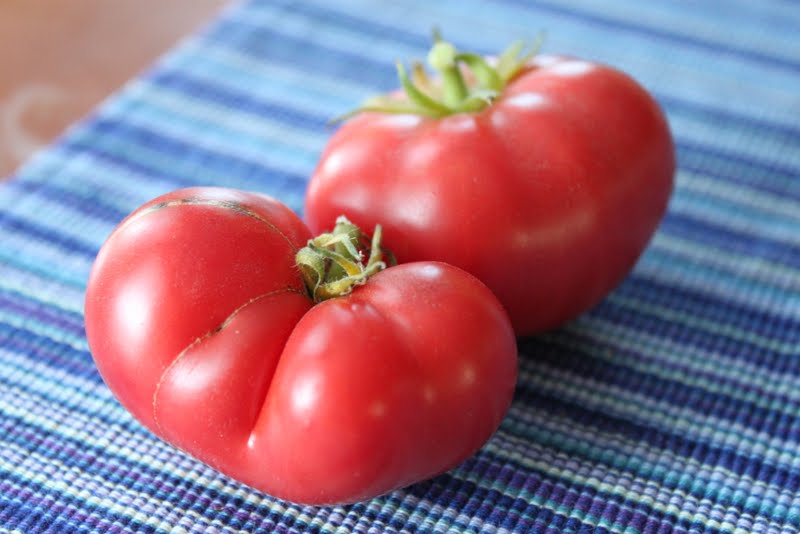
But somehow I managed to salvage two tomatoes, which now sit on the kitchen table waiting to be enjoyed. They're small and misshapen, not the giant fruits I'd hoped for. But they're red and they smell fresh and ripe...so I'll take them.


Monday, July 30, 2012

Kitchen garden (IV)


It's been pointed out to me since last week's post that my memory is playing tricks. We didn't sing "Summertime" in high school, we sang it in middle school...with my friends, not my sister.

Maybe it's because I'm too busy thinking about my tomatoes. And that little guy above. He's taken up residence between two tomato cages, and he's a stubborn one. So after trying to discourage him several times, I decided to let him be. And now I'm glad I did.

I've been on the road these past few weeks, shuttling between Ohio and Rhode Island and Maine and Connecticut and New Jersey (sometimes with the little hamster in tow). These travels have been alternately exhausting, difficult, and relaxing. I haven't always had time to worry about how my plants will get watered while I'm away. And despite a wonderful week on the lake in Maine, and a fun wedding weekend with family, nothing warmed my heart quite like coming home to my beautiful tomatoes, which have finally sprouted fruit.


I'm hoping to harvest that first red cherry tomato before Josh and I leave for Ohio (once again), bound for a family vacation in Canada. And meanwhile I'll just enjoy peeking in on the tomatoes in between travels, watching them ripen.

Previously:

Wednesday, June 27, 2012

Kitchen garden (III)


Dropped in to share this exciting development in the kitchen garden: three pea pods have appeared, with more on the way! I am half-tempted to name them, but the rational part of me reins in that enthusiasm.

I'd been amazed by the tightly furled white flowers of the pea plant. Now, these flowers have given way to light green pods that wear the dried remnants of the flowers. It's a beautiful reminder of how efficient nature can be.


Other plant news is less exciting, but still encouraging. A few weeks ago I gave in and purchased lettuce and spinach starts, since growing them from seed was a decided failure. The lettuce has settled in nicely, as has one of the spinach plants. I could begin snipping off leaves for an evening salad at this point, I think. But the other spinach plant has been struggling.

Finally, the tomatoes are growing like gangbusters. It's incredible. All three of them have flowered, so I'm waiting impatiently for the fruit.

I'll be back tomorrow for a review of a TV series that's (somewhat) related to kitchen gardens!


Previously:

Friday, June 8, 2012

Kitchen garden (II)


An update on the garden:

  • The tomatoes are flourishing, after being re-potted to deeper pots and staked with bamboo and sisal. (I think it looks rather pretty, don't you?) However, I originally planted three per pot, and since none of them died off, that meant they would eventually compete for light and water. So the other day I had to decide which plant was the weakest link and pull it from the pot. It gave my heart a pang to do it. My dad calls it "playing God." Josh calls it "the Sophie's Choice of gardening." While they're both accurate, I think the latter description captures the pain of it.

  • I sprouted some sugar peas and now they're going great guns, which makes Josh happy because he loves peas and I tolerate them. "You're growing peas for boys!" he says. Personally, my favorite part so far is the way they grasp onto the sisal with thin tendrils. They're little but strong, those pea plants.

  • My lettuce is by far the weakest link of everything I've planted. First animals dug them up, and now they're thinning out by themselves. I might have to call it and purchase some starts at the farmer's market on Saturday...but I hate admitting defeat.

  • The herbs are doing well. Lemon balm is under the grow light, and basil is flourishing on the windowsill. At least there will be flavor this summer!

  • Finally, there are strawberries-in-a-bag that I replanted in a regular pot. They sent up one squat sprout, and since then, nothing. Maybe if I move it to a sunnier spot...that sure did the tomatoes wonders.

It's funny, I was never much for gardening before this spring. I dreamed of having a garden one day, but it wasn't until I actually had plants to care for that I found out what all the fuss was about. You think about your plants like they're your children (or your pet dwarf hamsters). You dote on them. You worry about them when you're at work and the sky threatens rain and thunder. Suddenly, you're happy to spend a half hour or more just looking at them, marveling at the way the pea shoots curl around their stakes. How do they know how to do that? It's fascinating.


A few days ago I finished a wonderful YA novel, The Wicked and the Just by J. Anderson Coats. It's set in Wales circa 1294, and tells the story of Cecily, an English girl who's moved to occupied Wales against her will, and Gwenhwyfar, a Welsh girl who's just trying to stay alive now that the English have taken away everything she knew. There's so much to love about this novel, from the strong, distinct voices of the two girls, to the dual narrative that gives you just enough information, to the masterful way the author describes her setting and makes you see, hear, and smell medieval Wales. But one passage in particular gave me pause for thought.

One of the few pleasures Cecily finds in her new home is planting her own kitchen garden, full of tansy and rue and other medieval-sounding plants. Here, when she's sowing her garden afresh after a hard winter, she captures the very feeling I've been experiencing with my own garden:
"But there's something about coaxing life from ground that shrugs at you, that makes you tend it with fish guts and holy water, coddling it as if it's an old sick hound. It matters more. You harvest every blade and seed and grain. You cherish what the earth bestows."
While I coddle my plants with organic plant food and tap water, the feeling's the same: I cherish those plants as if they were beloved pets. It's magical.

If you've planted a garden this spring, how are your plants coming along?


Previously:

Wednesday, May 30, 2012

Corn pudding


There's nothing that says summer quite like corn. Corn on the cob, scorched with grill marks, dripping with butter. Husks that remind me of bark stripped off a tree. Corn silk that seems to get stuck everywhere, from your teeth to the counter where you've been working.


And isn't it a beautiful vegetable? Just right for late-afternoon photo shoots.

I've written about my love of cornbread before, but this time it's all about straight-up corn, before it's been ground into meal. This is a different kind of love, friends.


Really, it makes sense that we'd come across corn sooner or later. There's so much historical weight attached to corn. It was the crop that Squanto taught the Pilgrims how to plant after a particularly harsh first winter. Native Americans traditionally grew maize, squash, and beans together as the Three Sisters crops. And apparently it was also the crop that saved the lives of the first Virginians (once they stopped being stubborn and decided to learn how to farm). Plus, corn is native to North America, so it was a revolutionary crop to those European colonists.

So why couldn't the colonial Virginians come up with a better way of serving corn?


It's a promising recipe. "Take six large, tender, milky Ears of Corn. Split the Corn down the Center of each Row; cut off the Top and then scrape the Cob well." I dare you not to steal a few pieces of corn once you've cut it off the cob. Then you mix it up with flour, salt and pepper, eggs, and milk, and bake it into a steaming pudding. When it comes out of the oven, brown and bubbling from the butter you put on top, it's hard not to dig right in. You eagerly anticipate that first taste.


When I was young, sometimes we would have microwaveable meals for dinner. Lean Cuisine chicken marsala, Stouffer's creamed spinach. Sometimes my parents just wanted to round out the meal, so they'd heat up a packaged side dish. That's fine. Sometimes it's all you can manage.

One of the dishes in regular microwave rotation was Stouffer's corn souffle. It was kind of a spongy pudding made with corn, light and airy. And guess what, friends.

I've replicated that corn souffle. Except instead of the 15 minutes it took to heat up the plastic container, this took a good 1 1/2 hours. And a historical cookbook.

It's not to say that this is a bad corn souffle. It's light and airy and corny and accompanies other dishes quite well. But as Josh so eloquently put it, it's like "corn with mush in between," a cross between straight-up corn and cornbread. We both would have preferred to eat one or the other.

So, because it seems worth it to start a tally:

historical corn recipes: 0
dashed culinary expectations: 2

Maybe I just need to stop expecting so much from corn. It's just a vegetable, after all.


Corn Pudding
(adapted from The Williamsburg Art of Cookery)

4 ears of corn
2 eggs
1/4 cup flour
1 1/2 cups milk
salt and pepper, to taste
2 tbsp butter, cubed

Preheat the oven to 350 F.

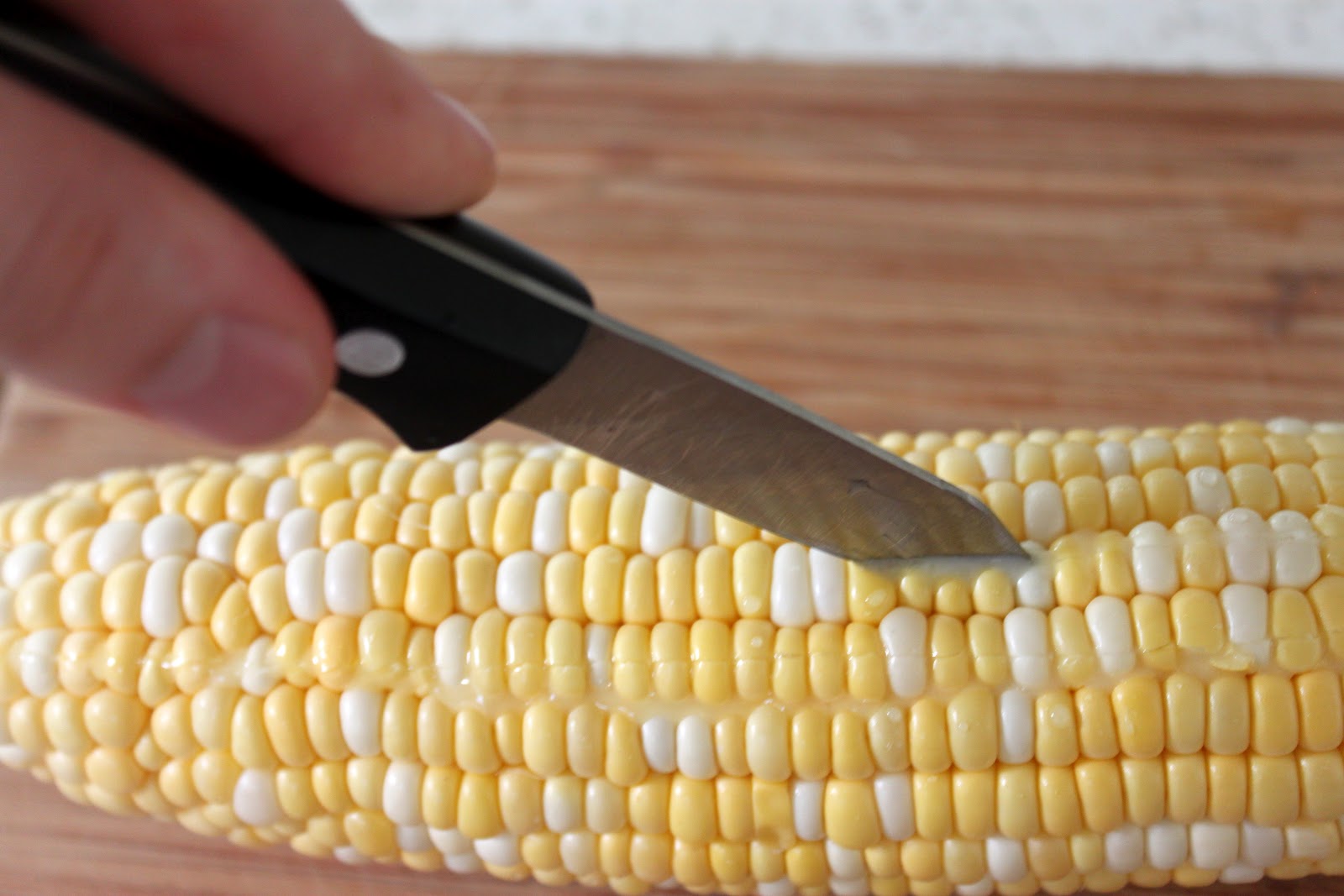
Shuck the corn and slice each row down the middle (it doesn't take as long as it sounds, but you will get splashed). Slice the kernels off the cob. It's okay if you don't get the whole kernel in one go. Put all the sliced corn into a large bowl.

Beat the eggs together in a separate bowl and mix with the sliced corn. Add the flour, milk, and a dash of salt and pepper. Beat to combine.

Grease a souffle dish (or an oven-safe dish that's about 4 inches deep). Pour in the pudding mixture, and top with dots of the butter. Bake for 60 - 75 minutes, or until the pudding is puffed, brown, and bubbling on top.

Thursday, February 23, 2012

Turnip tops


What is it about being on vacation? You sleep better. You get to spend long hours reading or flipping through magazines. You go for long, chilly walks. You actually crave vegetables for lunch instead of pizza.

For me, the first three all lead to the last. Because I'm more mindful of my habits and what my body wants, because I sleep as long as I need to instead of as long as the time available, because I have the luxury of time to just be. I look less to food for immediate comfort, and so I start eating salads and soups, and in the end I feel even better.

Funny how it's all interrelated, isn't it?


This week, while I'm on February break, I've been focusing more on incorporating vegetables into every meal--it seems easier to do it while I have the time and energy to shift my eating habits. So a few days ago I tossed up a big salad with fennel and tomatoes and red onion, and boiled some turnip greens as a historical side dish.

That's the thing about colonial vegetables (or "Garden Stuff," as the Williamsburg author likes to put it). There's not a whole lot that women did to alter them from their natural state. Sure, they could boil the heck out of vegetables and serve them up with a nice butter sauce, or mash up the boiled veggies with butter and cream, but they tended not to do much else. It's a stark difference from more modern-day recipes, which ask you to saute blanched kale with chorizo and drizzle a nice honey vinaigrette over the finished product, or toss roasted cauliflower with a garlic-orange sauce. (Both are delicious, by the way.) So colonial vegetables are not that exciting, and they probably don't maintain the nutritional value of just-picked greens (thanks to all that boiling). Certainly this has a lot to do with the foods that were widely available at the time. Most women would cook what grew in their kitchen garden, and exotic spices were hard to come by and expensive.

Still, that doesn't mean that our boiled turnip greens have to be boring, right? It was a little tricky figuring out how to make them more palatable, but a squeeze of lemon and a dash of salt improved them tremendously. Both additions seemed historically accurate. Apparently turnip greens "are still better boiled with Bacon in the Virginia Style," but I didn't have any bacon on hand, and besides, that seemed to defeat the point.


Turnip Tops
(adapted from The Williamsburg Art of Cookery)

1 bunch turnip greens
1/2 lemon
a few pinches of salt, divided

Trim the stems off the turnip greens and cut into 3-inch slices. Bring a large pot of water to boil, and season with several pinches of salt. Boil the turnip greens for 15-20 minutes, stirring occasionally. Drain in a colander, and press down on the greens to squeeze out the remaining water. Squeeze the lemon over the greens and sprinkle with the remaining salt. Serve as a side dish with something more interesting.

Tuesday, January 31, 2012

Parsnips redux

For the past few weeks, I've been thinking a lot about food. Not just perusing recipes to figure out what to make for dinner (although that is one of my major hobbies), but about what I choose to consume.

It all started with Michael Pollan and In Defense of Food. Oh, Michael Pollan, you make me want to be good! You terrify me with your statistics and amaze me with your stories of Aborigines who reverse their Western diseases by returning to a traditional diet. You tell me to eat only food that could potentially rot. "Eat food. Not too much. Mostly plants." You tell me to shop from the perimeter of the grocery store, to patronize my local farmers' markets. Josh and I already visit our favorite farmers' market almost every Saturday, and I have been trying to eat more salads. It can't be that difficult.

Of course, then I had to go and see Forks Over Knives last week with a friend. It's a documentary that makes Michael Pollan seem like he's giving me a slap on the wrist. There are even more terrifying statistics, more fascinating stories of reversing Western diseases (like cancer....what?!), and a famed doctor from Cleveland to ante up the personal connection. He and the others tell me to eat a whole foods, plant-based diet. So, almost only plants.

Well. Okay. They do have some pretty compelling reasons.

But, as my friend and I discussed after the show, how do you change your diet over to an exclusively vegan one when you've grown up eating meat and dairy? Even if you can get your protein from plants, how do you change your mindset? And how do you resist the hot dogs at the farmers' market, the fish tacos and barbecue from the food trucks that are taking over Providence?


And how, for God's sake, do you accommodate your minor obsession with baking?

Maybe you have to adjust a little bit at a time. Maybe your grocery cart will be filled with mostly plants, but also with a carton of milk and a package of salmon, because you just love salmon. Maybe you'll go to the farmers' market every Saturday, and buy up all the root vegetables you could possibly need for the week, but you'll still stop by the hot dog truck and the bakery truck (because you just discovered their apple cider doughnut holes).


I'm not a person to make changes overnight, or lightly. I've thought a lot about adding more plants to my diet, and limiting the amount of animal products because I probably don't need as much as I think I do. And Pollan's book and the documentary were both sobering and inspiring. But I'm nervous about getting enough protein, and I know I'll need to adjust to the changes in my diet and shopping habits over time.

So this is how I'm going to do it: one recipe at a time. Reducing the meat here, adding a vegetable there. Giving myself permission to still use milk and eggs, because that will be a much more difficult transition.

Last night I returned to my enemy, the parsnip. It was time we had a serious discussion about how to make it more palatable. If I'm going to eat more vegetables, then they'd better start tasting delicious. And I wanted to see if I could align my plant goals with my historical cooking goals.

I turned to a simple Williamsburg recipe for mashed parsnips. You boil the parsnips until tender, then mash them up and "remove the strings" (I wasn't sure how to do this, so I just cut out the core). Return them to the pot and reheat with "Milk or Cream as necessary." Stir in a bit of butter, and you're ready to serve.


Not the healthiest way to serve a vegetable, that's for sure, but like I said, this is a slow and gradual process. Sometimes you have to trick yourself into eating more vegetables. And the result?A creamy, nutty mash, with hints of boiled milk. It was almost like parsnip porridge, in the most satisfying way.

I'm not sure how feasible it will be to eat more plants at the same time as cooking historical recipes (which call for lots and lots of animal products), but it'll make this project even more interesting...


Mashed Parsnips
(adapted from The Williamsburg Art of Cookery)

four small parsnips
1/4 - 1/2 cup milk or cream (I used a bit of both)
1 tsp butter
pinch of salt

Peel and trim the parsnips and boil in a medium pot until tender, about 20 minutes. Pour out the water and cool. When cool enough to handle, mash up the parsnips and remove the center core. Over low heat, cook the mashed parsnips with the milk or cream (whatever amount seems right to you) until thick. Stir in the butter and salt. Serve.